Skip to content
Trail Horse Challenge Logo
  • HOME
  • OBSTACLES AND CHALLENGES
  • GROUPS AND CLUBS
  • EVENTS
  • PHOTOS
  • HOST A CHALLENGE
  • ABOUT
  • CONTACT
Trail Horse Challenge PhotosShanny2018-01-07T20:34:59-06:00
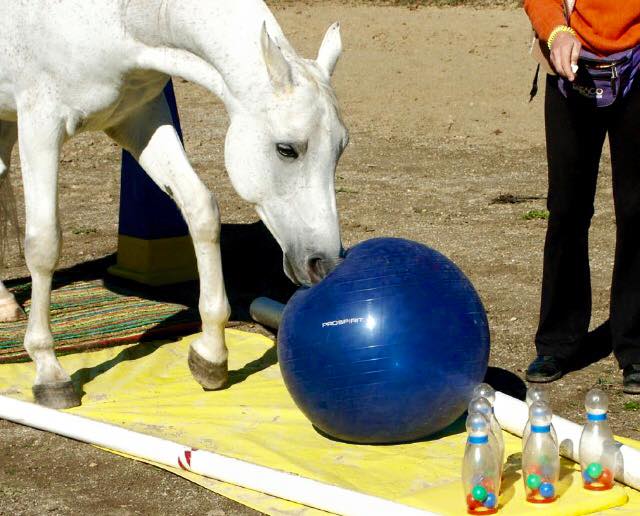
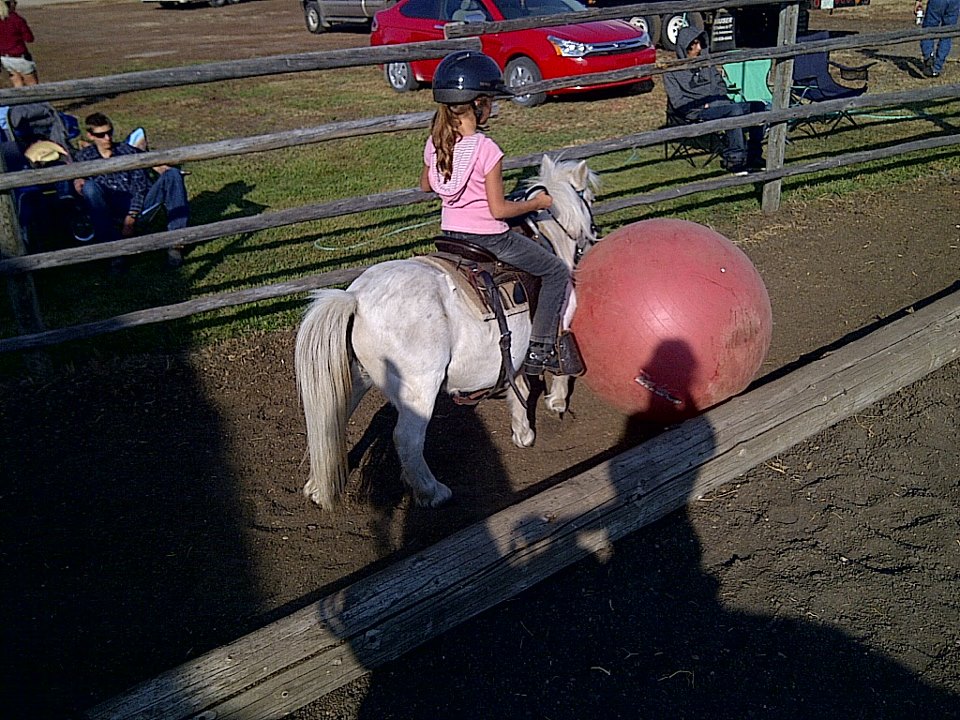
horse push ball challenge
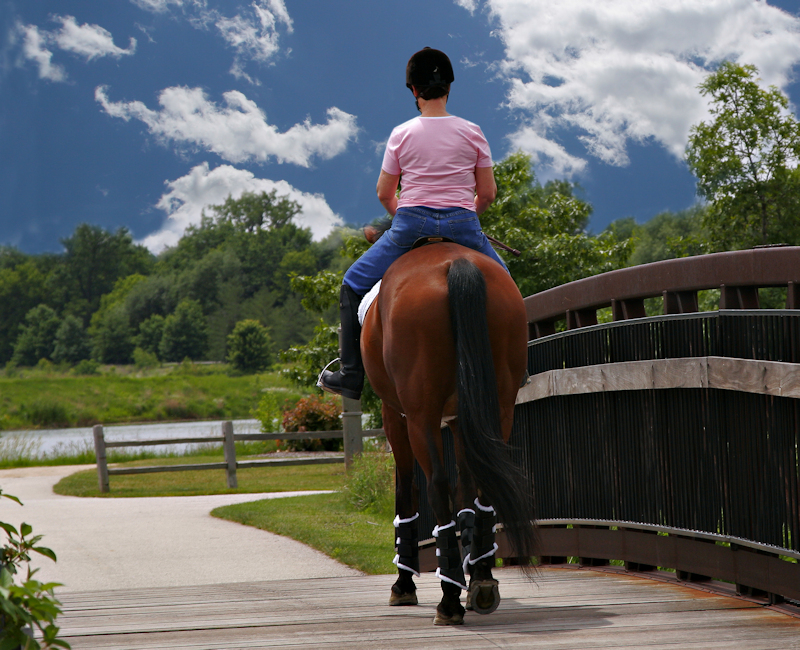
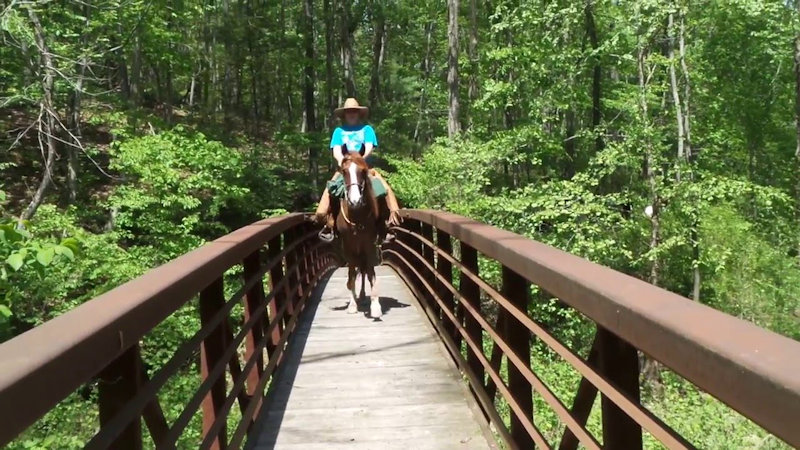
horse walking on bridge
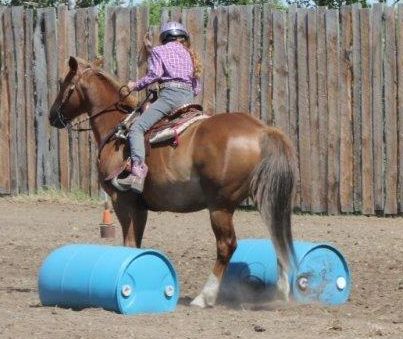
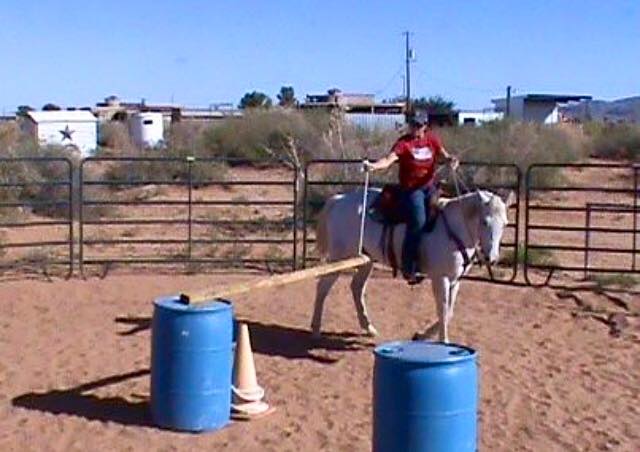
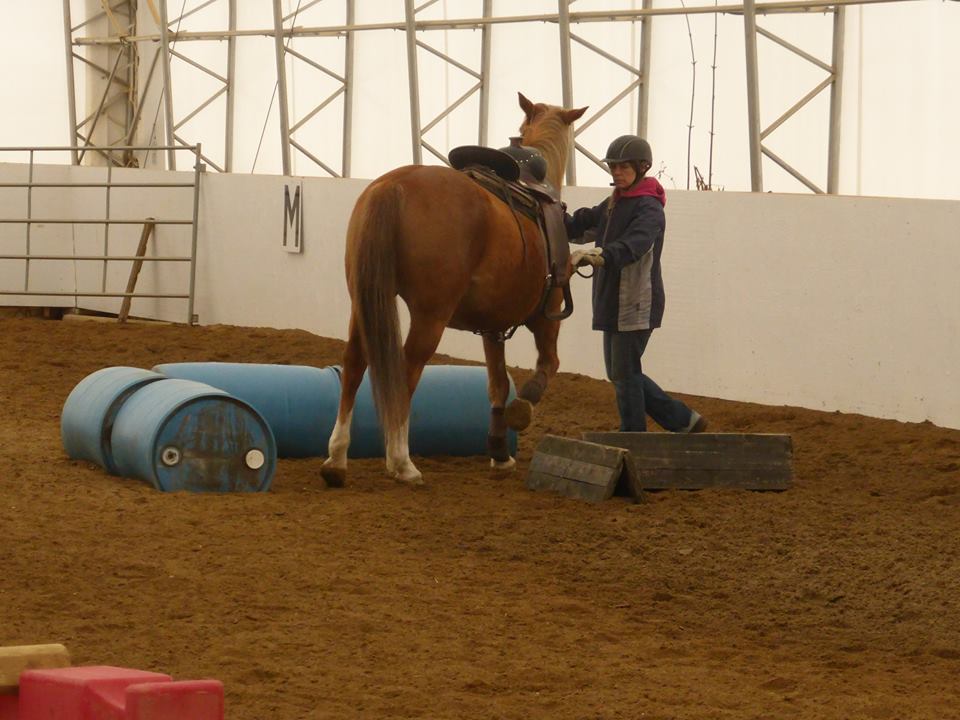
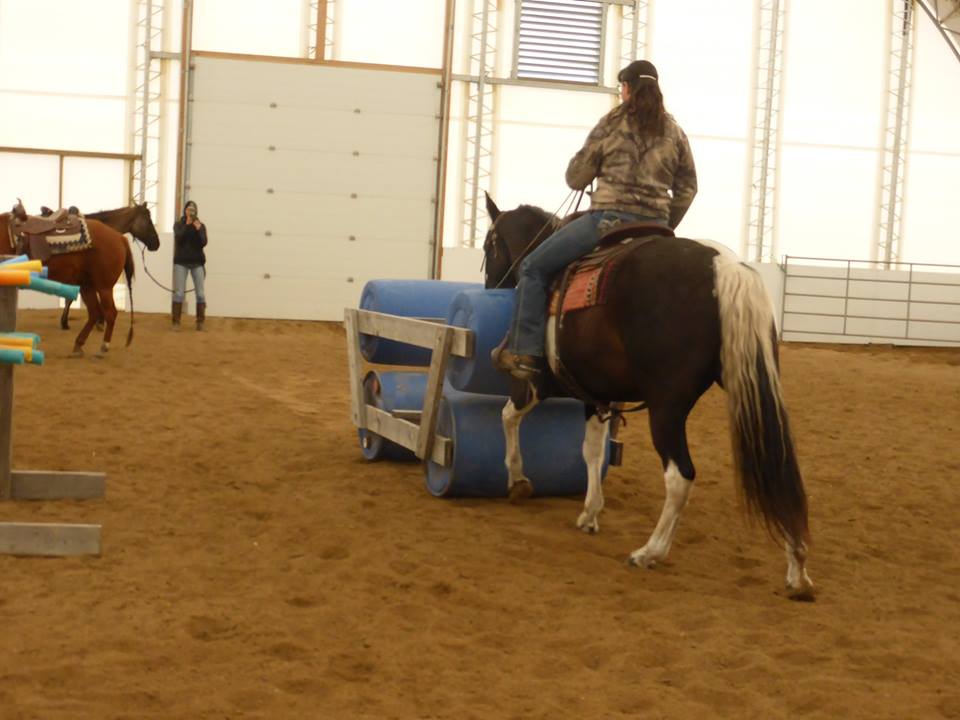
back up barrels horse challenge
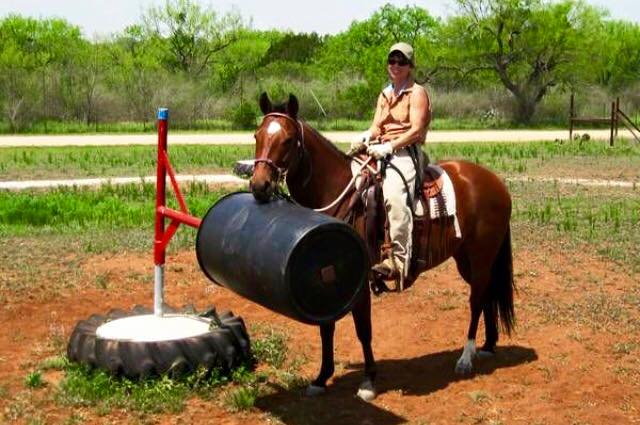
barrel go round horse obstacle challenge

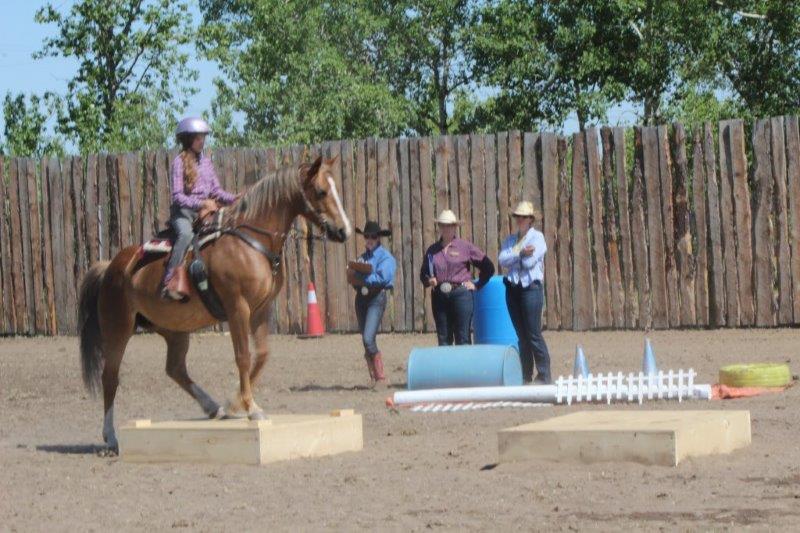
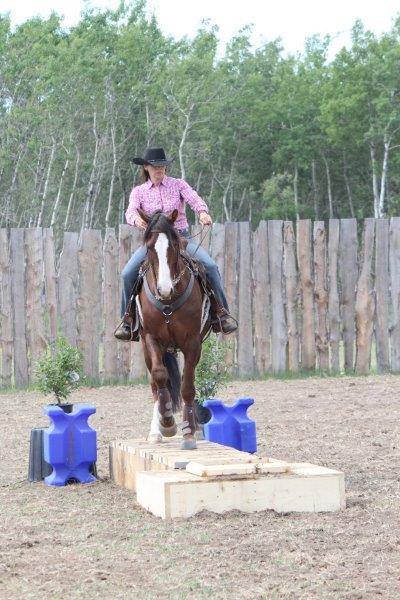
horse obstacle block
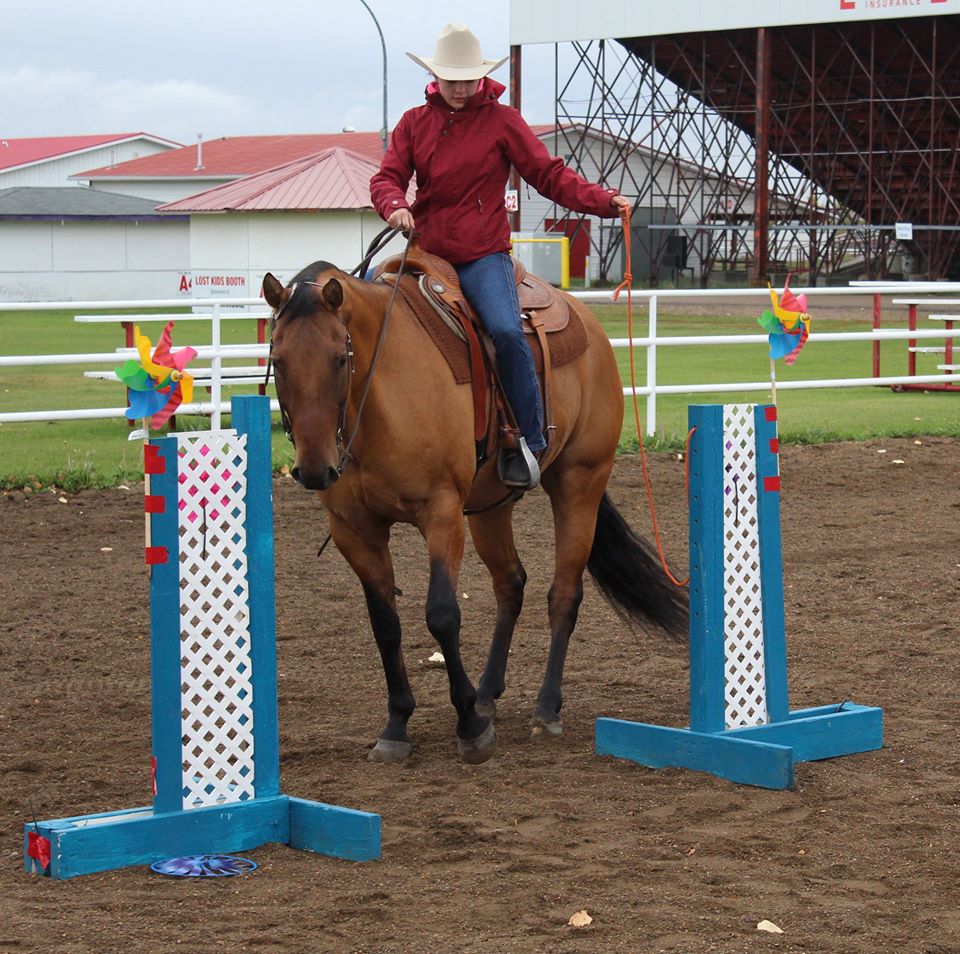
360 horse board pinwheel challenge
barrel go round horse obstacle challenge
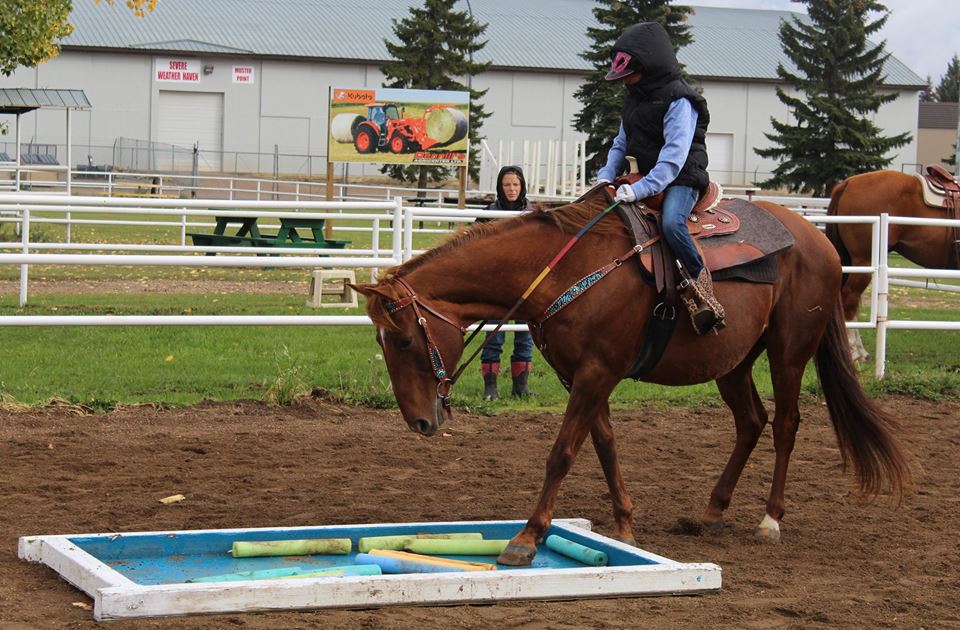
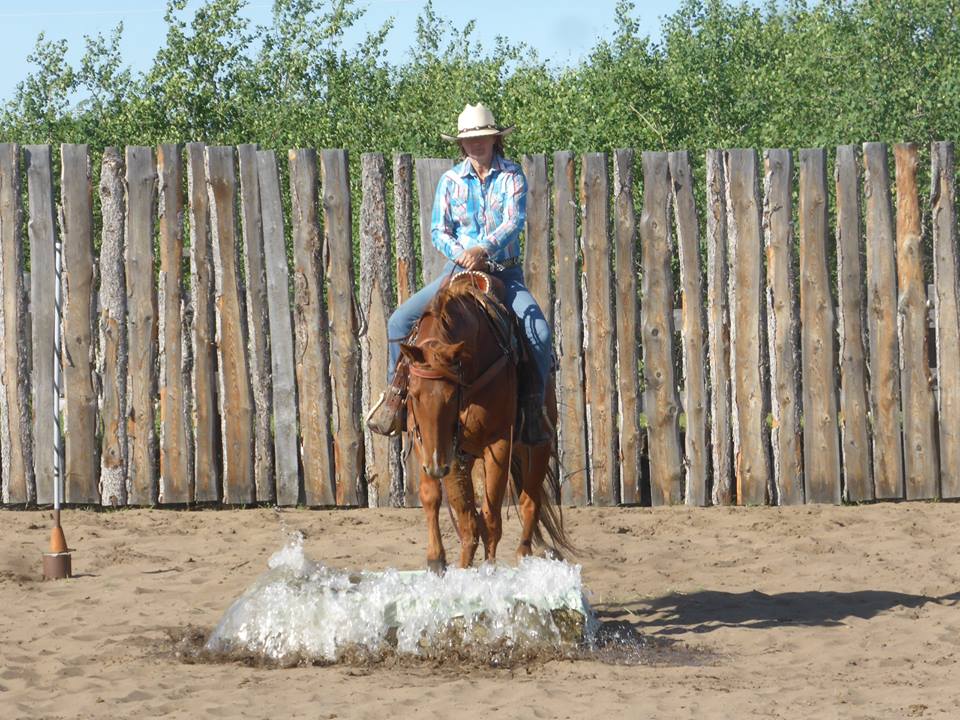
water box pool noodles horse obstacle

horse push ball challenge
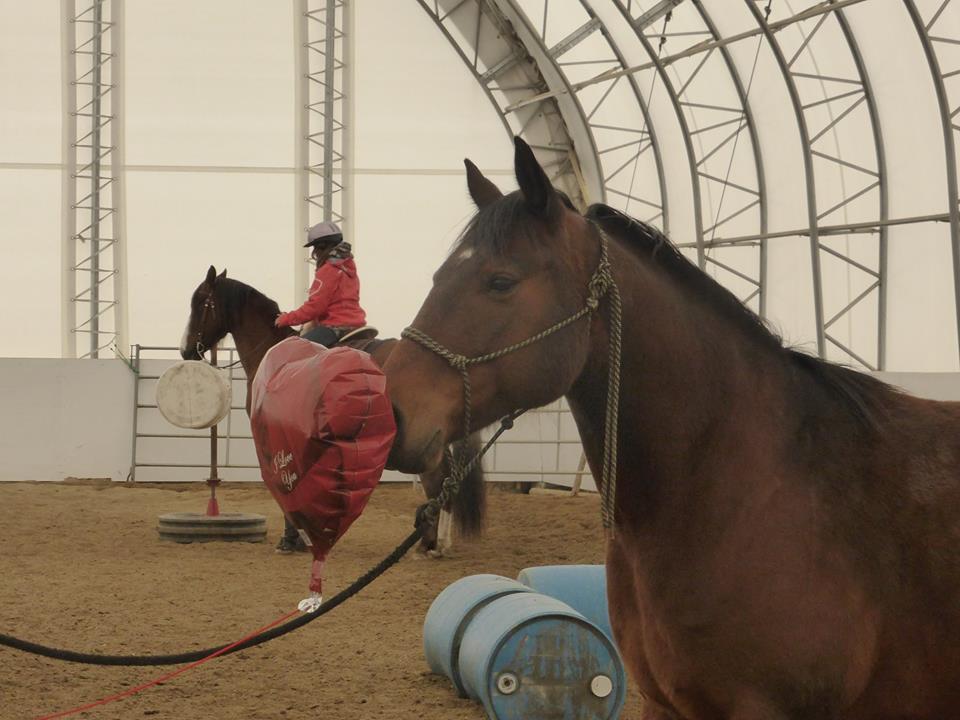
horse challenge balloon
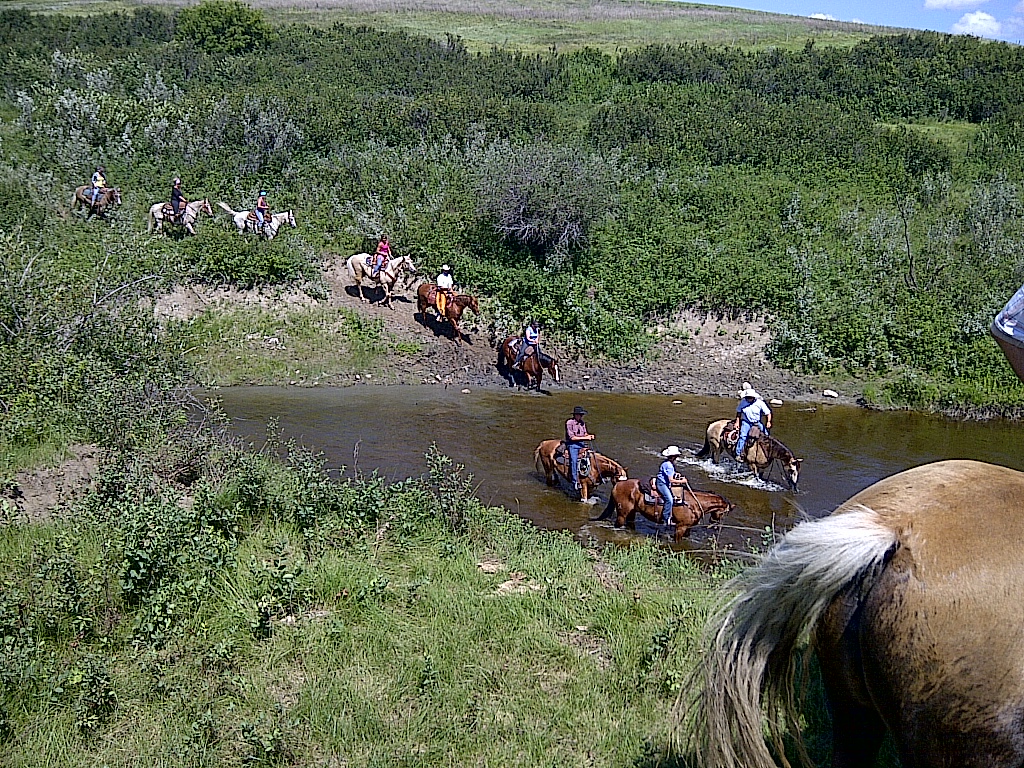
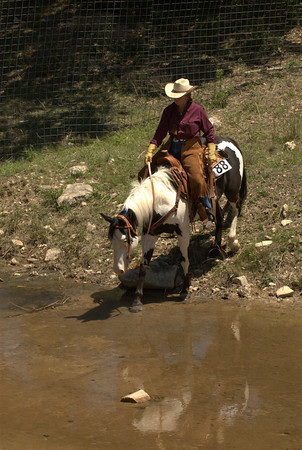
water obstacle river crossing on trail
water box floating obstacle horse competition

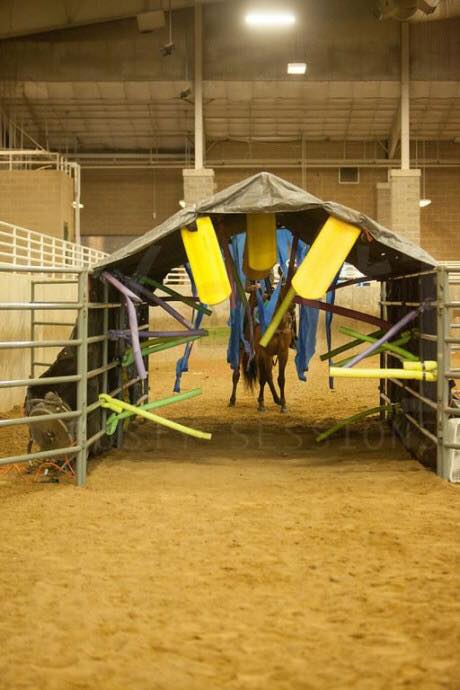
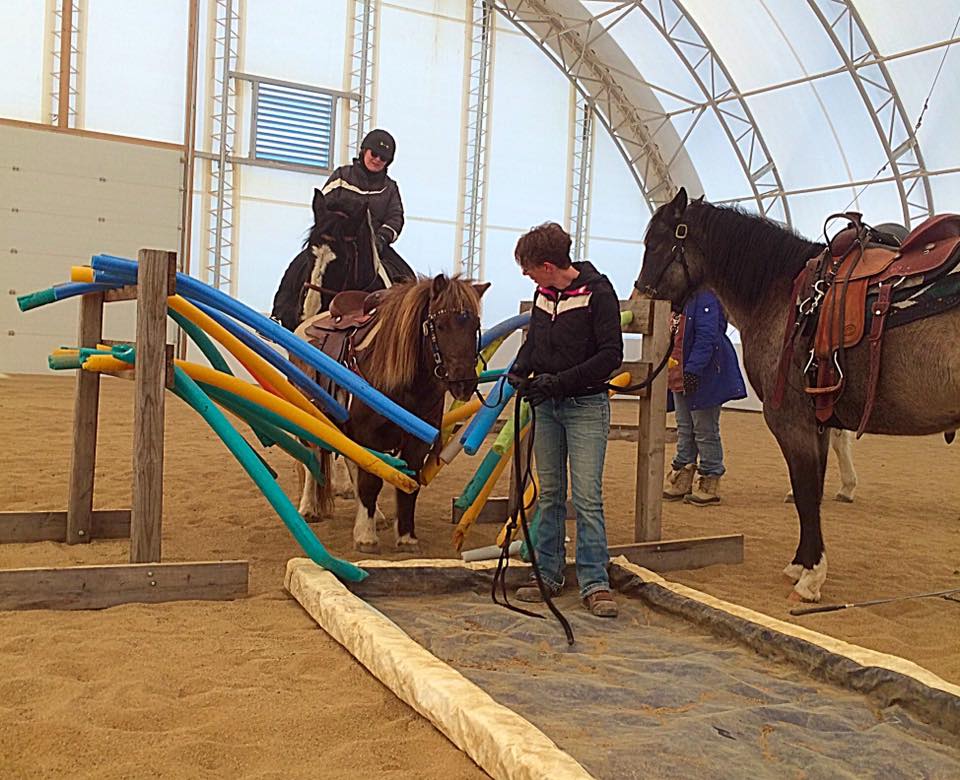
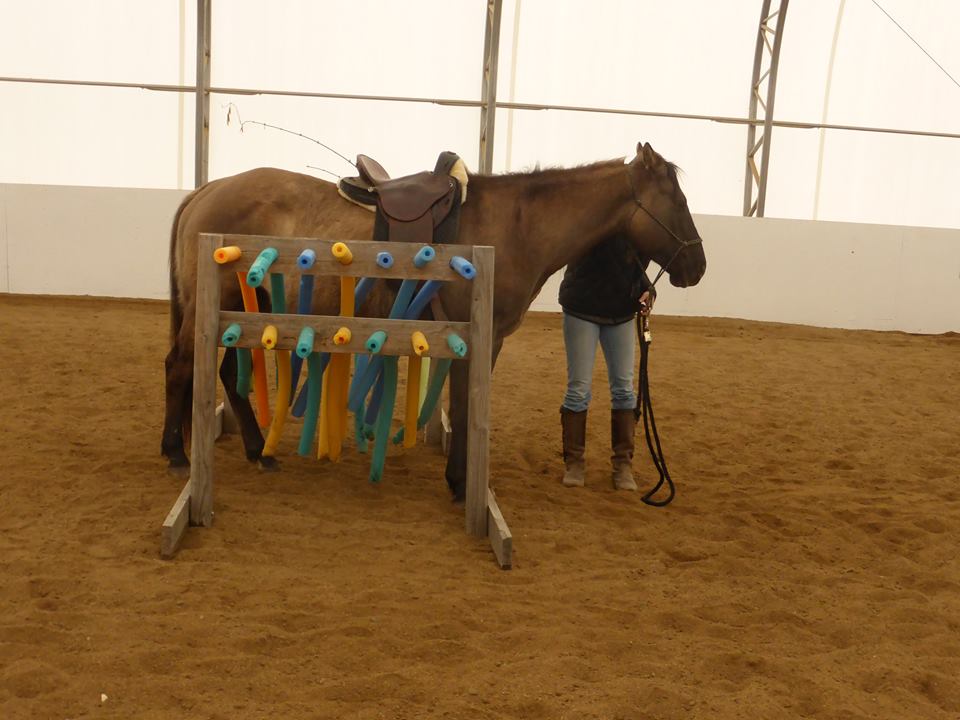
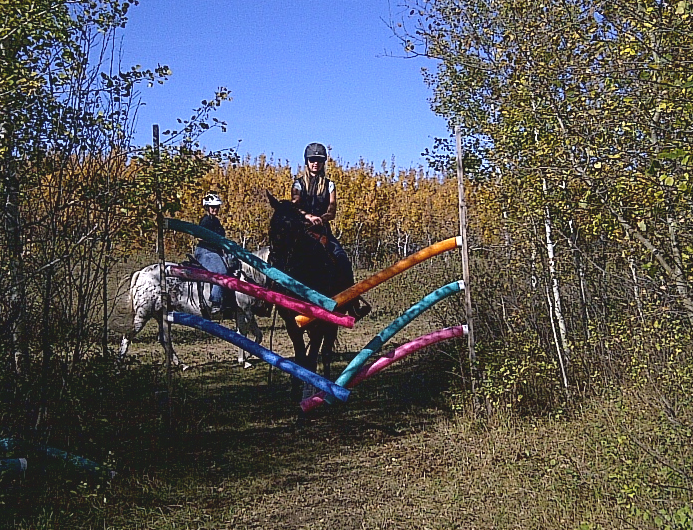
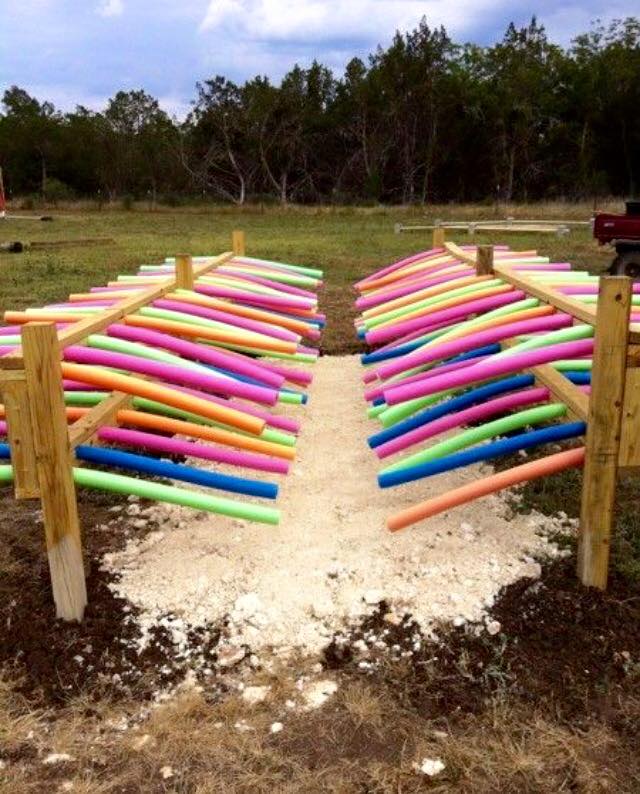
tunnel pool noodle horse obstacle
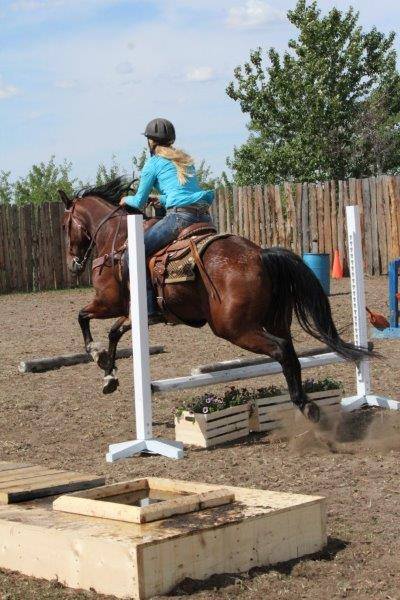
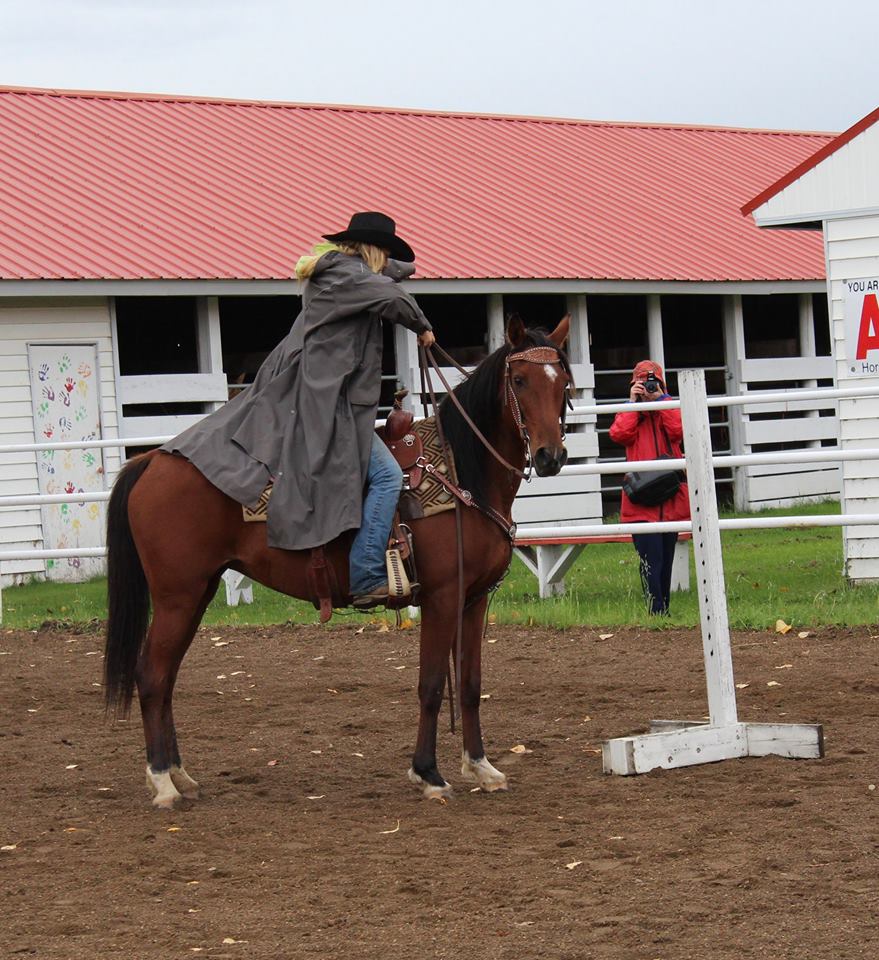
jump standard cowboy challenge obstacle
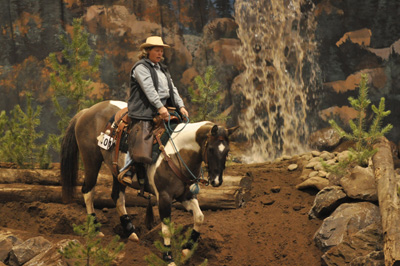
horse entering river on trail
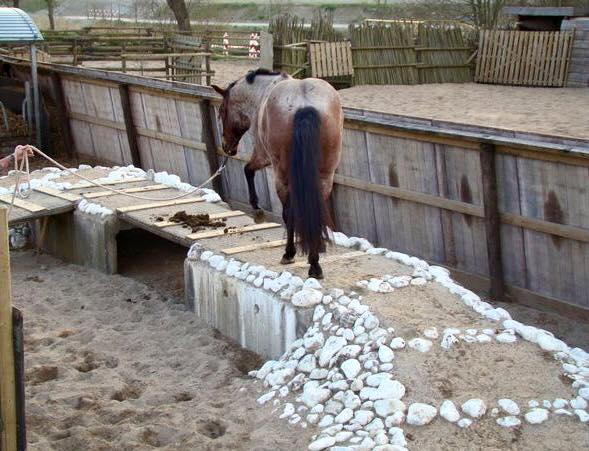
skinny bridge obstacle

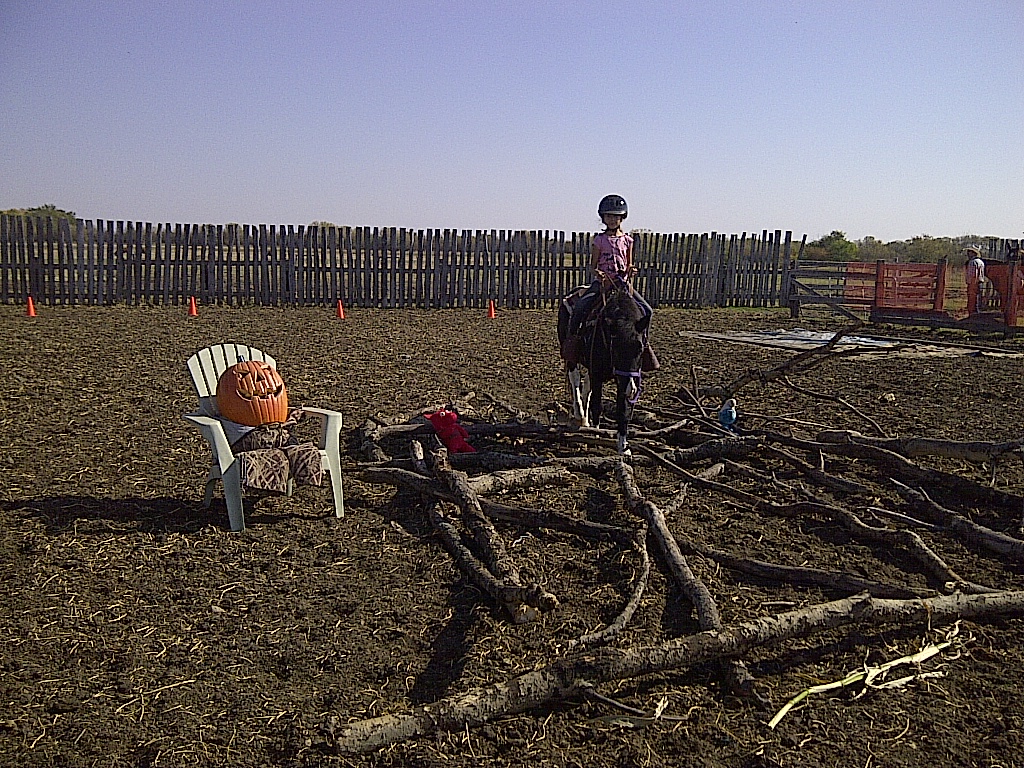
trash horse obstacle branches
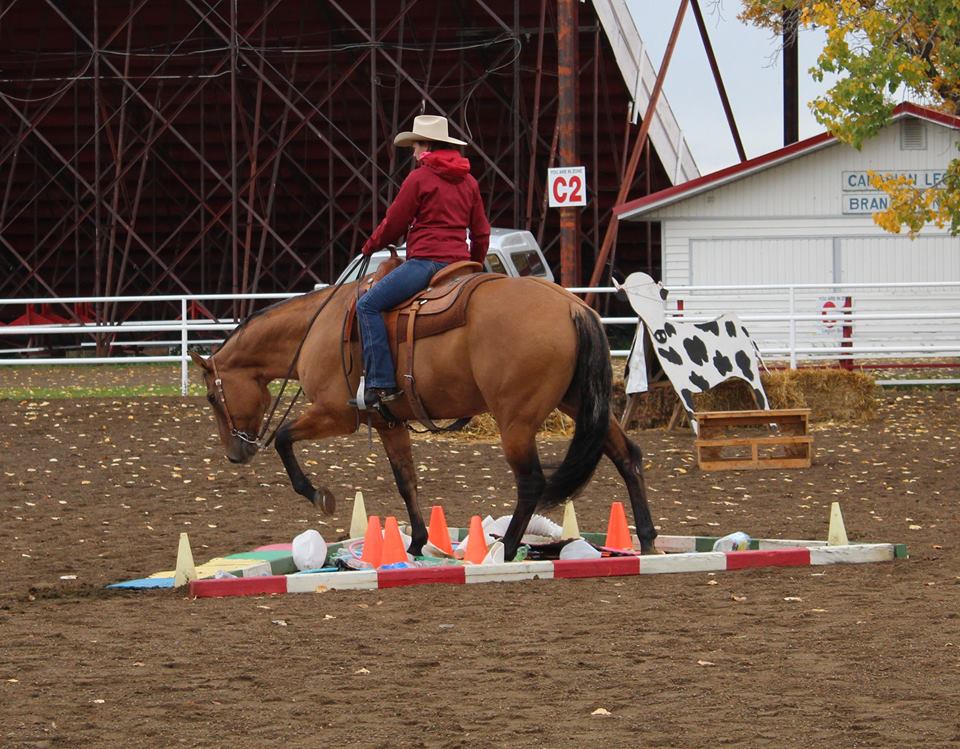
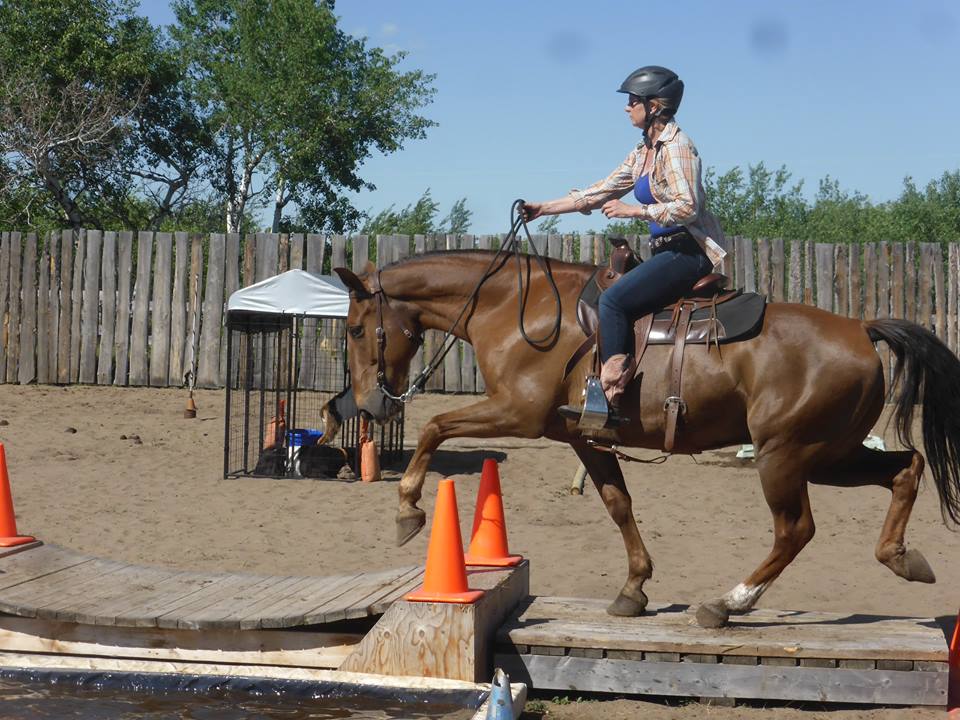
trash box rails obstacle competition
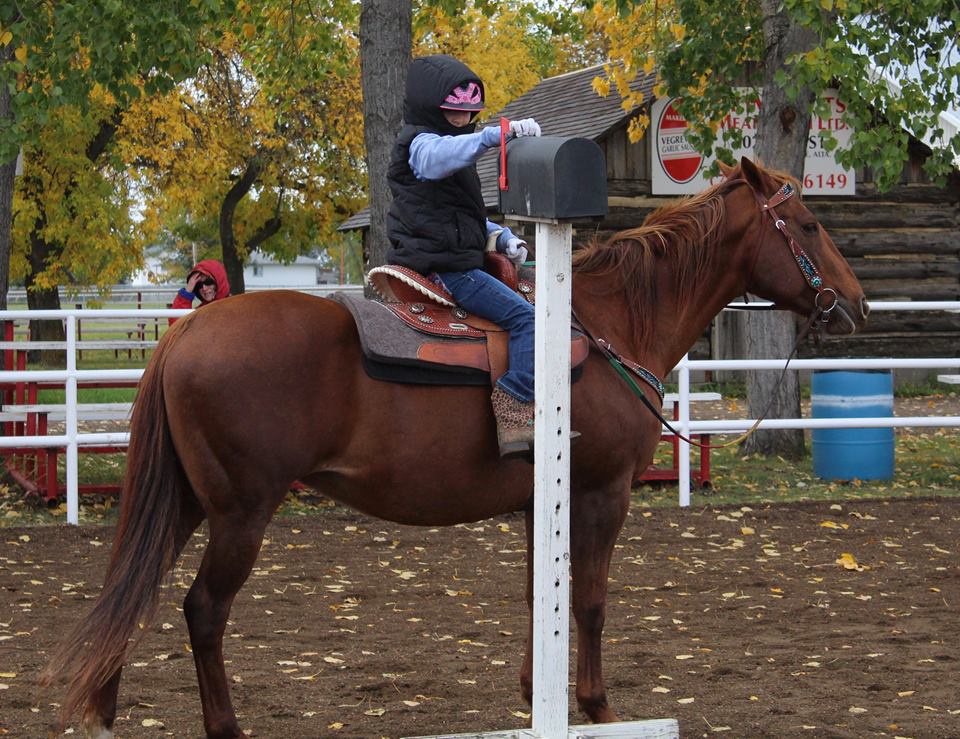
transfer challenge mailbox horse competition
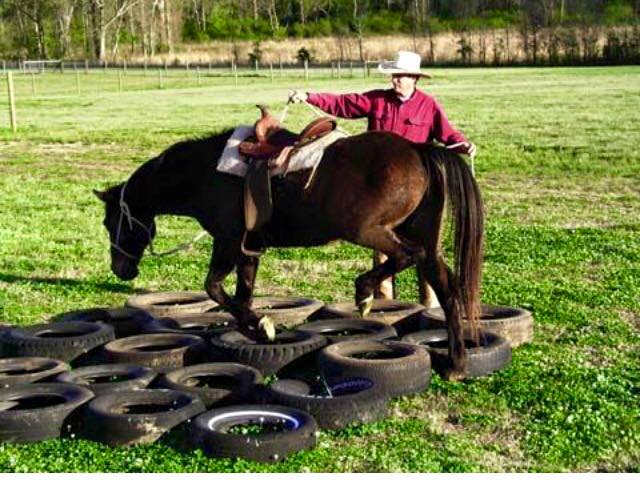
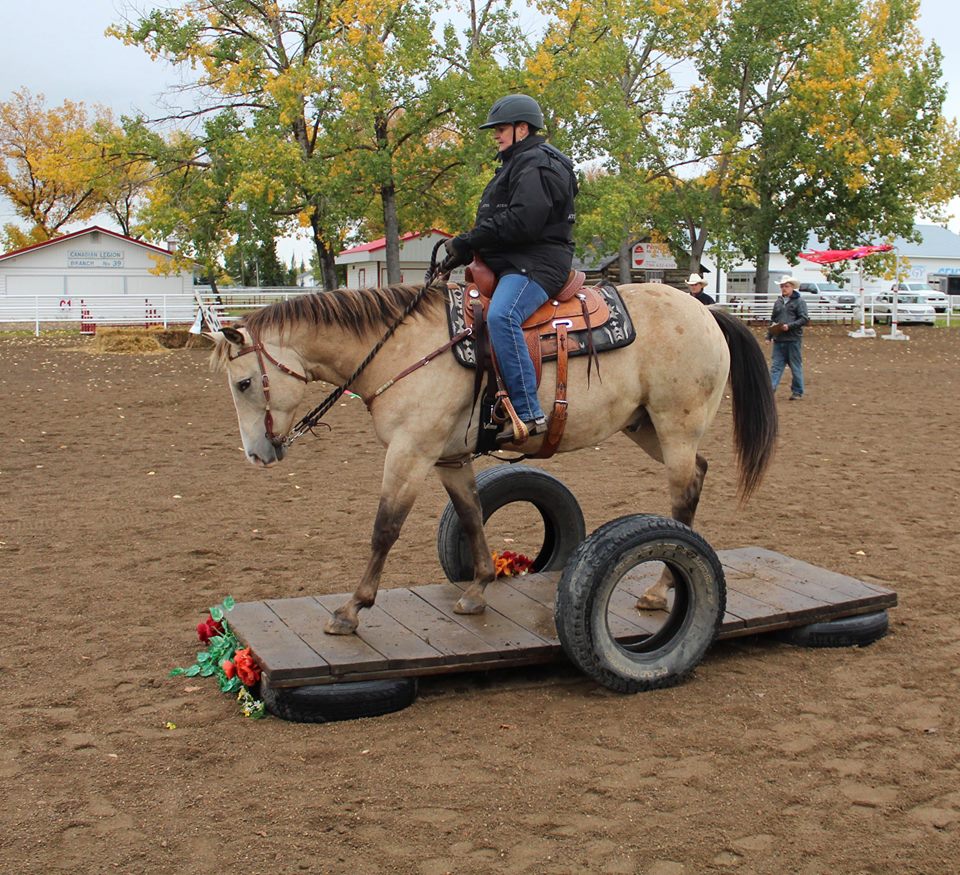
walk though tires obstacle

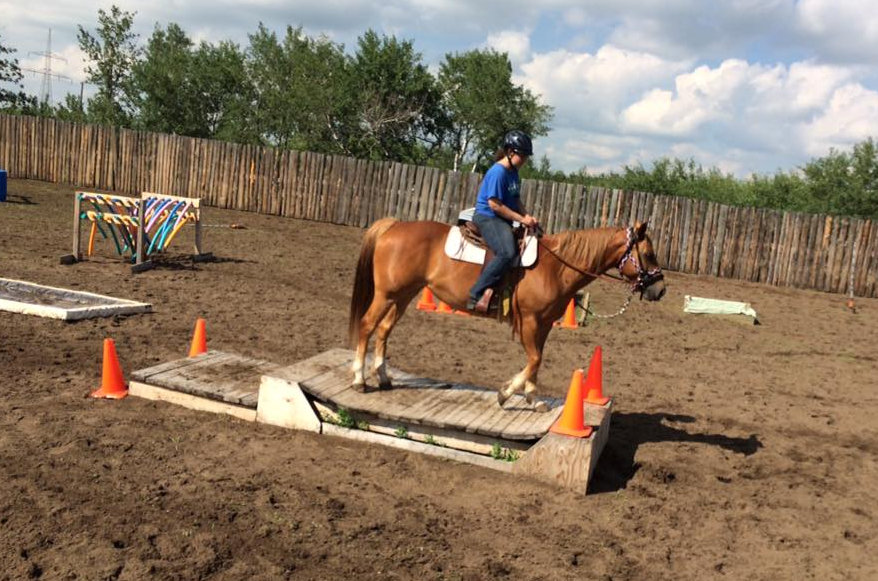
teeter totter obstacle horse
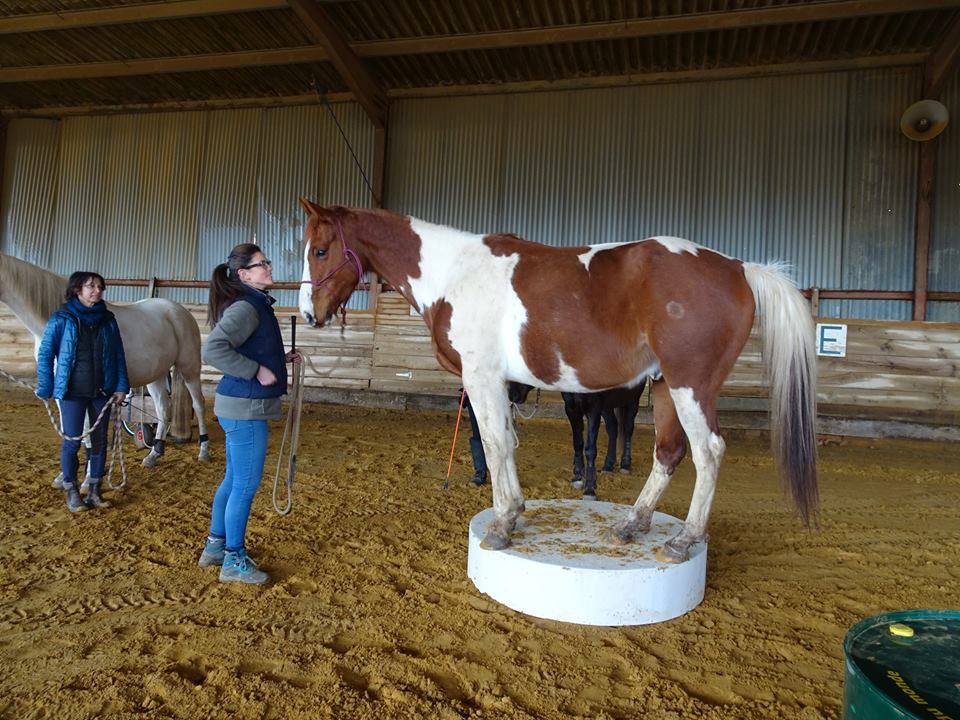
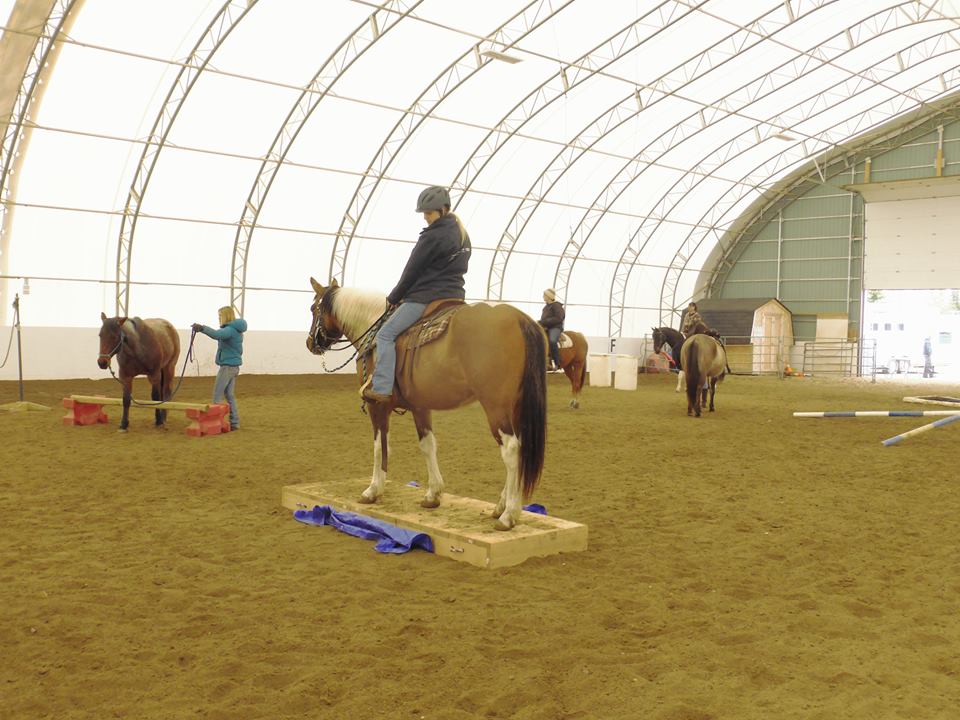
stand in box challenge finish run
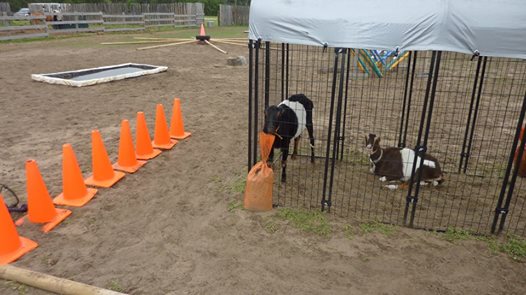
scary horse obstacle goats
carry slicker horse challenge

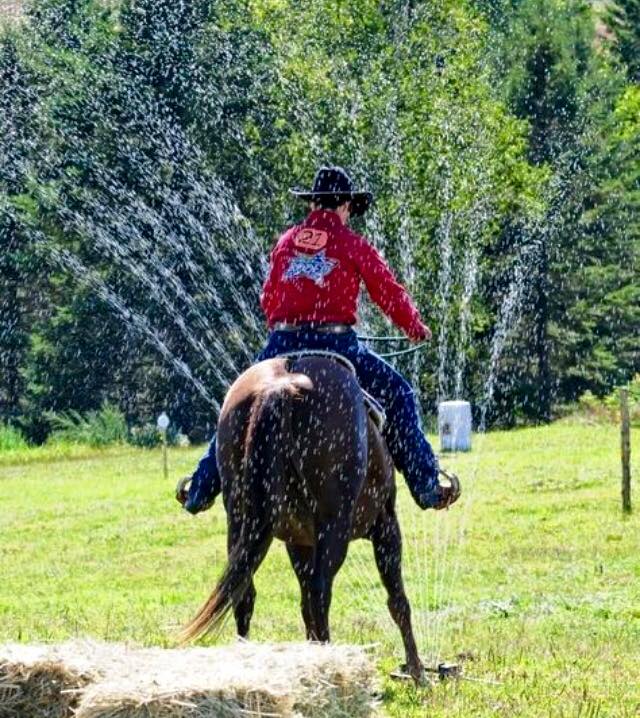
water sprinkler horse obstacle
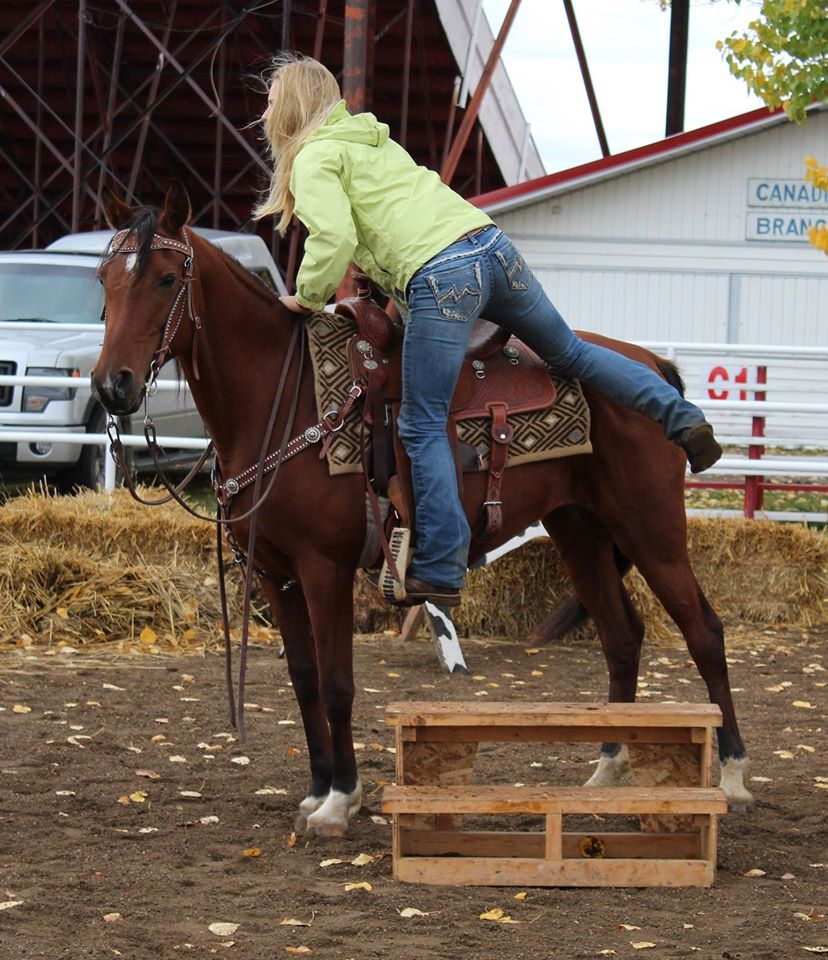
horse challenge dismount horse
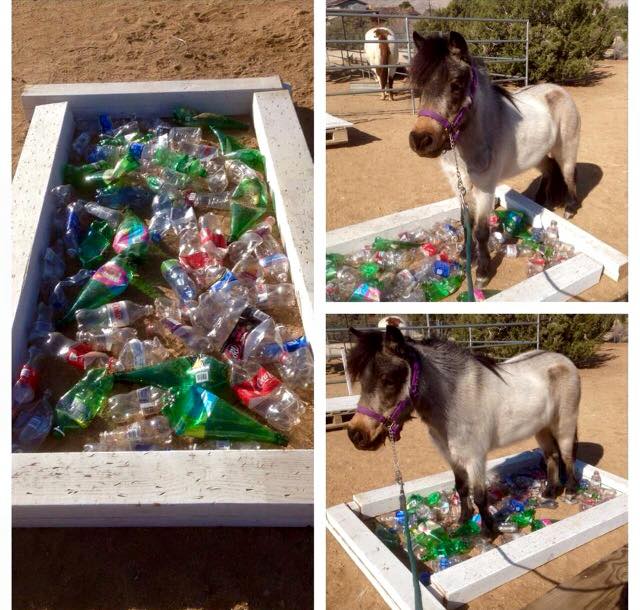
trash box pop bottles obstacle
sidepass cowboy challenge pivot turn on haunches

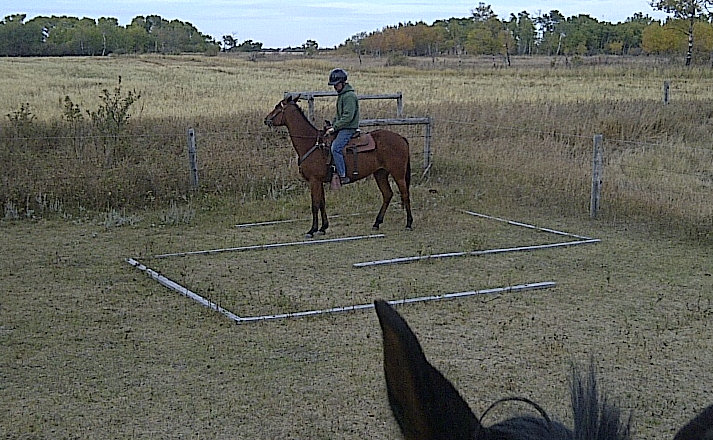
maze horse back up through labrynth challenge
maze back up through barrels challenge
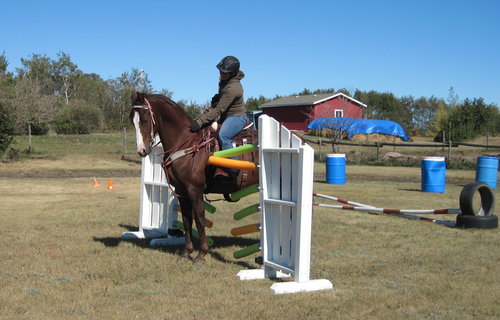
horse walking over jump
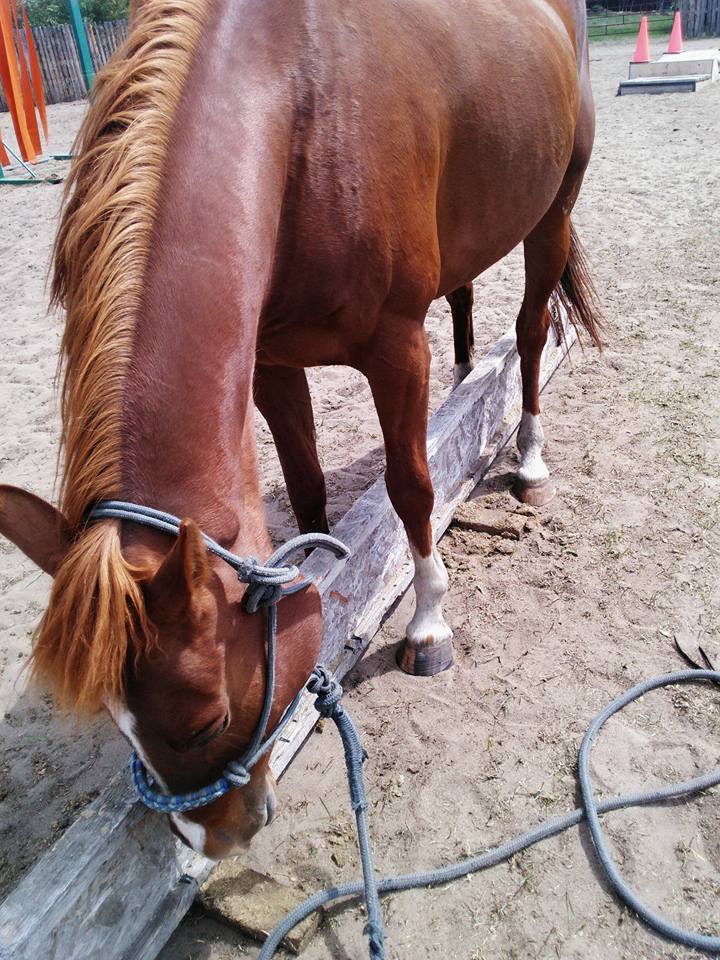
straddle wood horse obstacle challenge

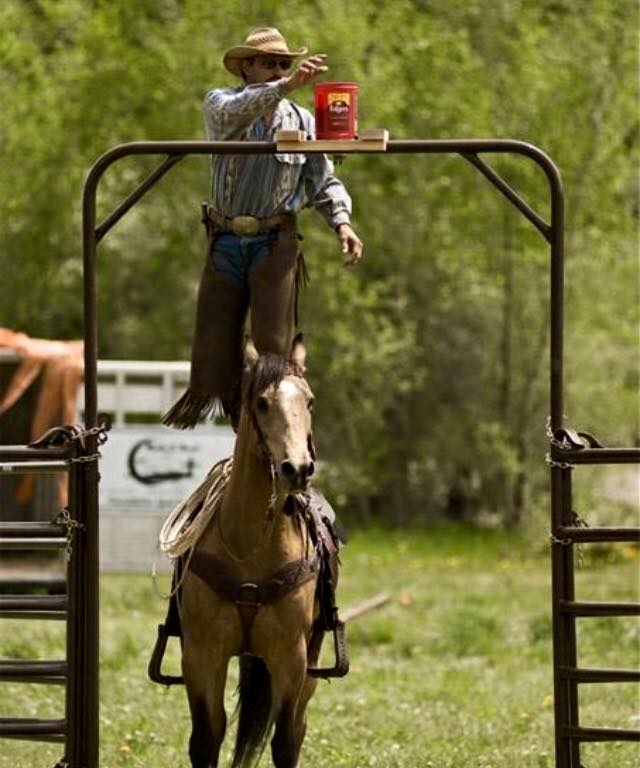
stand on horse cowboy challenge
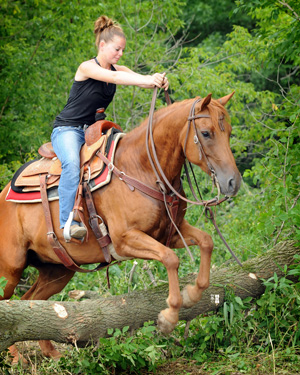
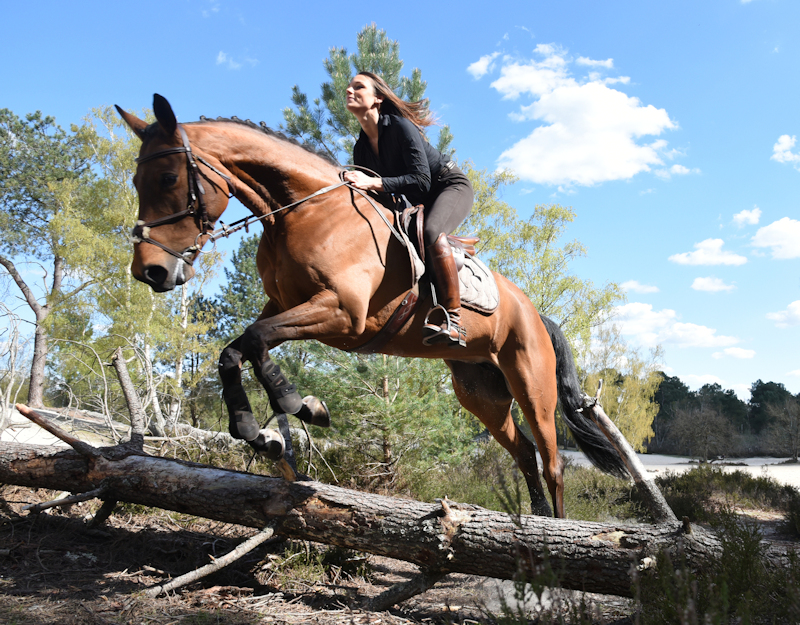
horse jumping over log on trail
walk through horse wash car pool noodles spining barrels obstacle
horse wash car pool noodles jump standard obstacle

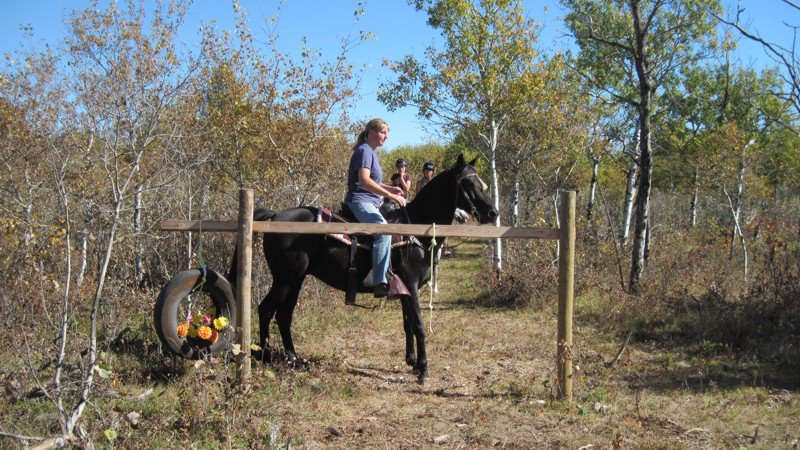
horse challenge open close rope gate
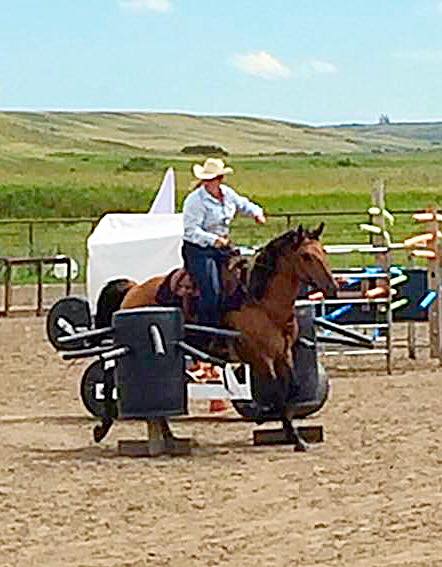
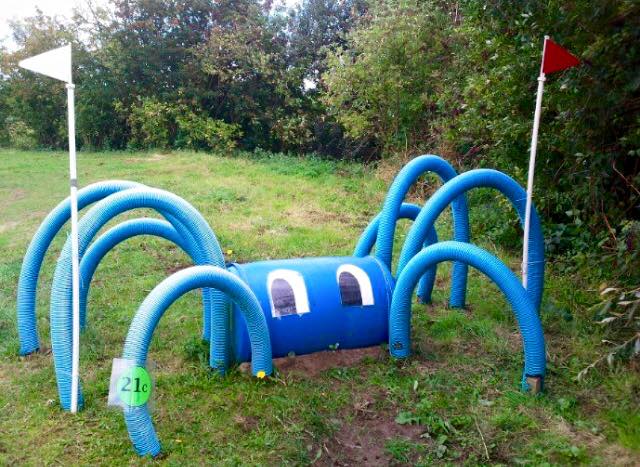
horse jump barrel pool noodle spider
walk through horse wash car pool noodles spining barrels obstacle
walk through horse wash car noodle obstacle

horse wash car pool noodle obstacle
horse wash car noodle obstacle
walk down hill on horseback
horse wash car pool noodles spining barrels obstacle

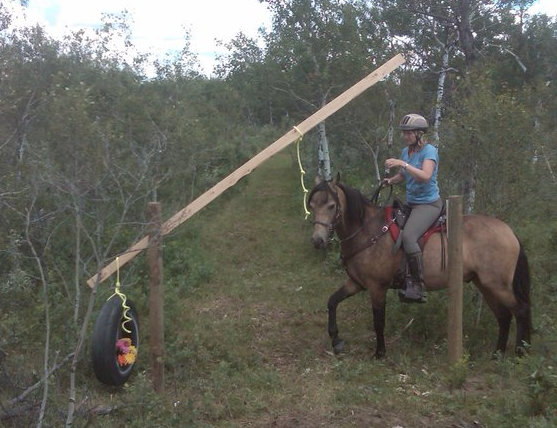
horse challenge open close weighted gate
flintstone barrel car push obstacle
large elephant stand horse obstacle

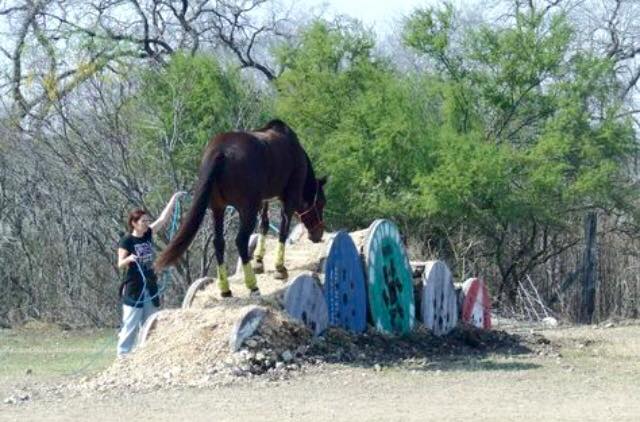
bridge hill horse obstacle
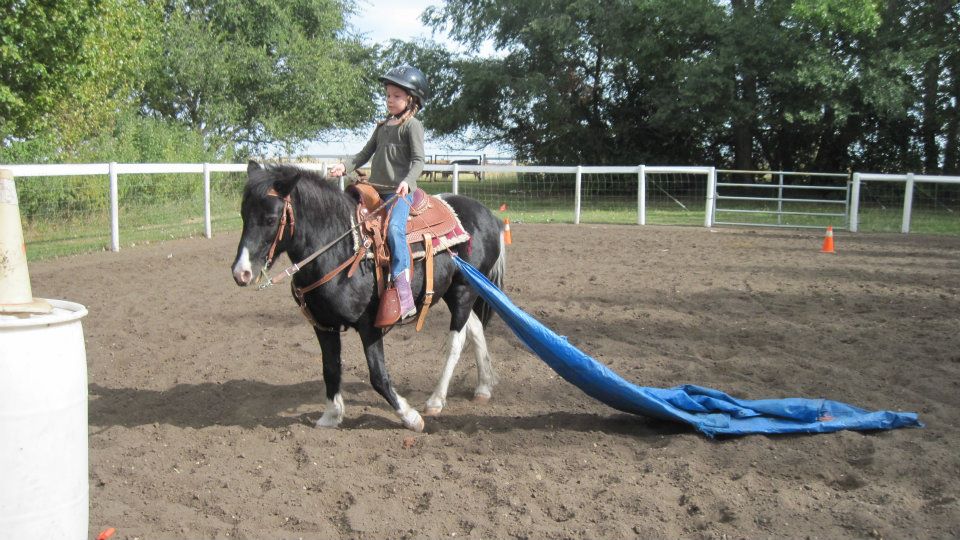
drag tarp horse challenge
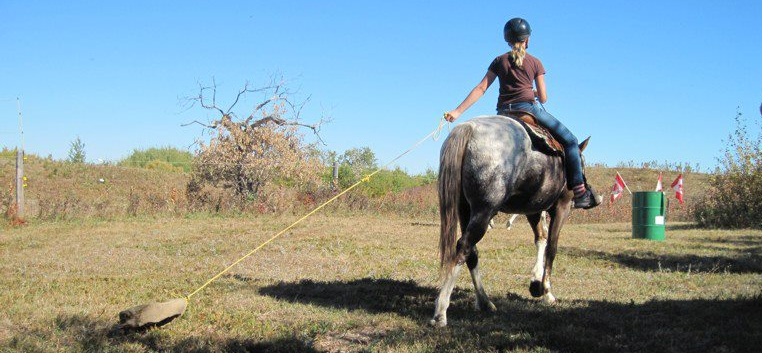
drag sack horse challenge
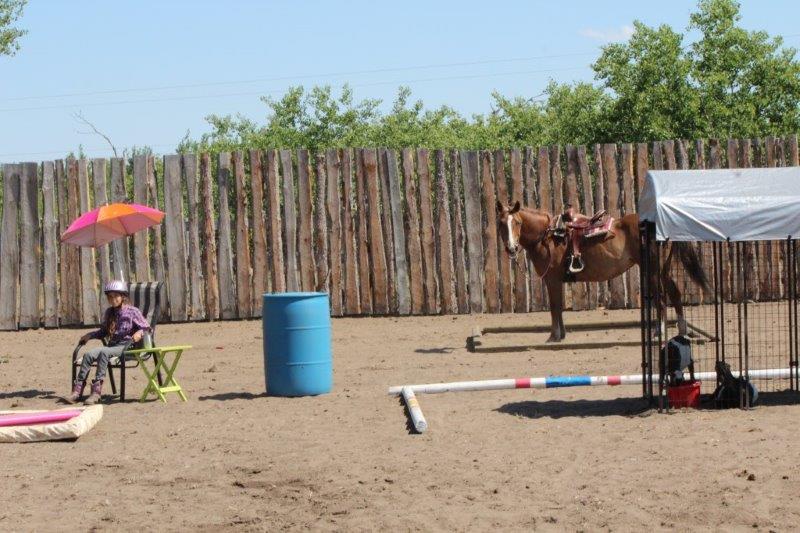
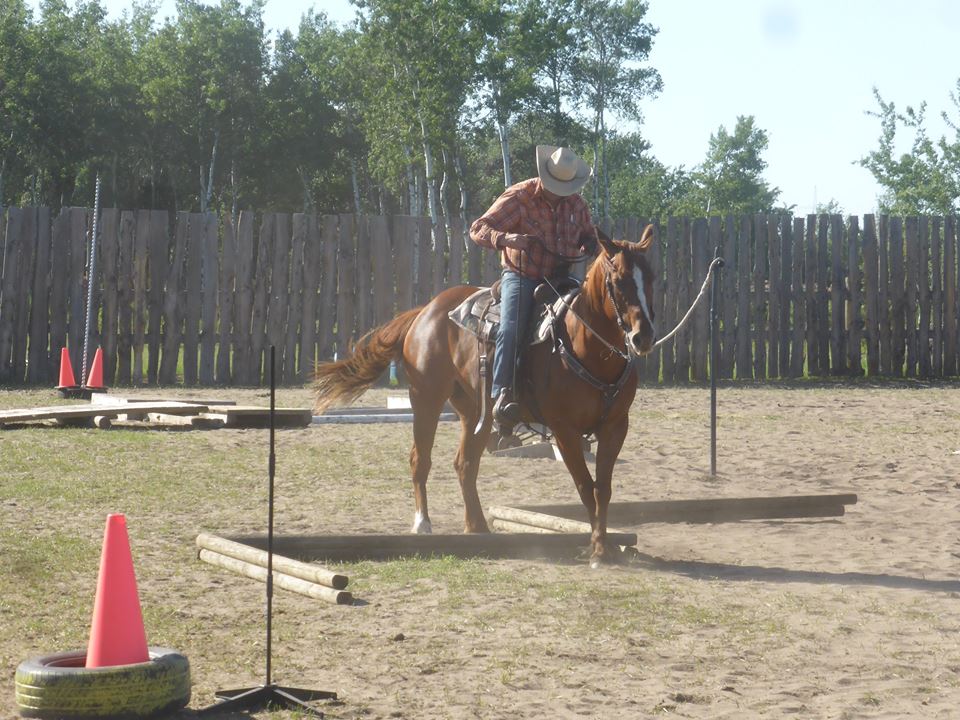
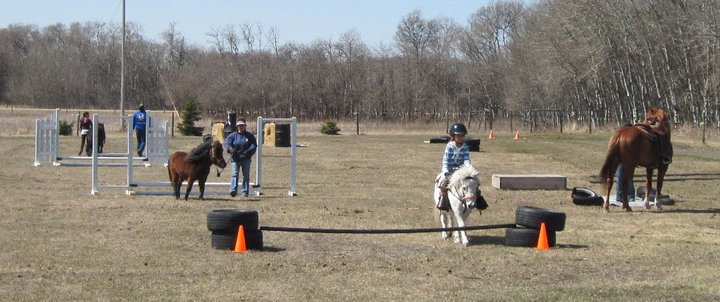
horse obstacle challenge course

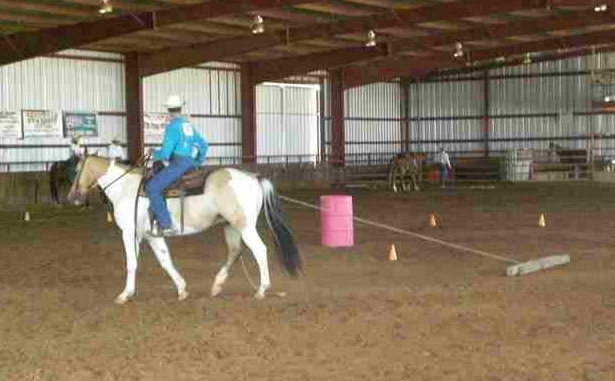
drag log horse challenge
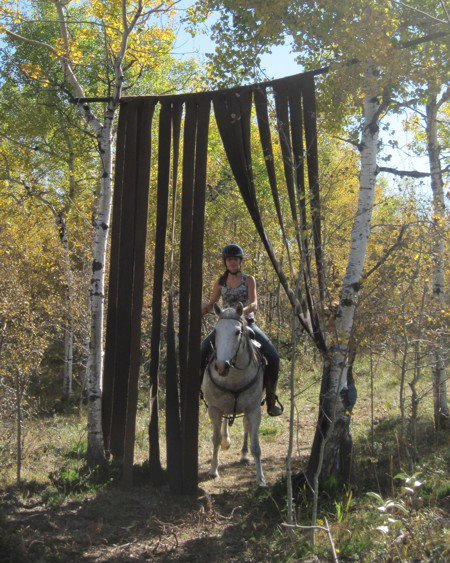
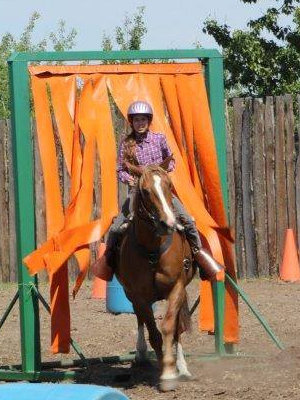
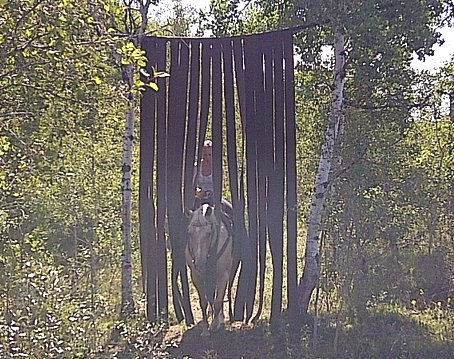
riding through curtains obstacle on horse trail
horse wash car pool noodles obstacle
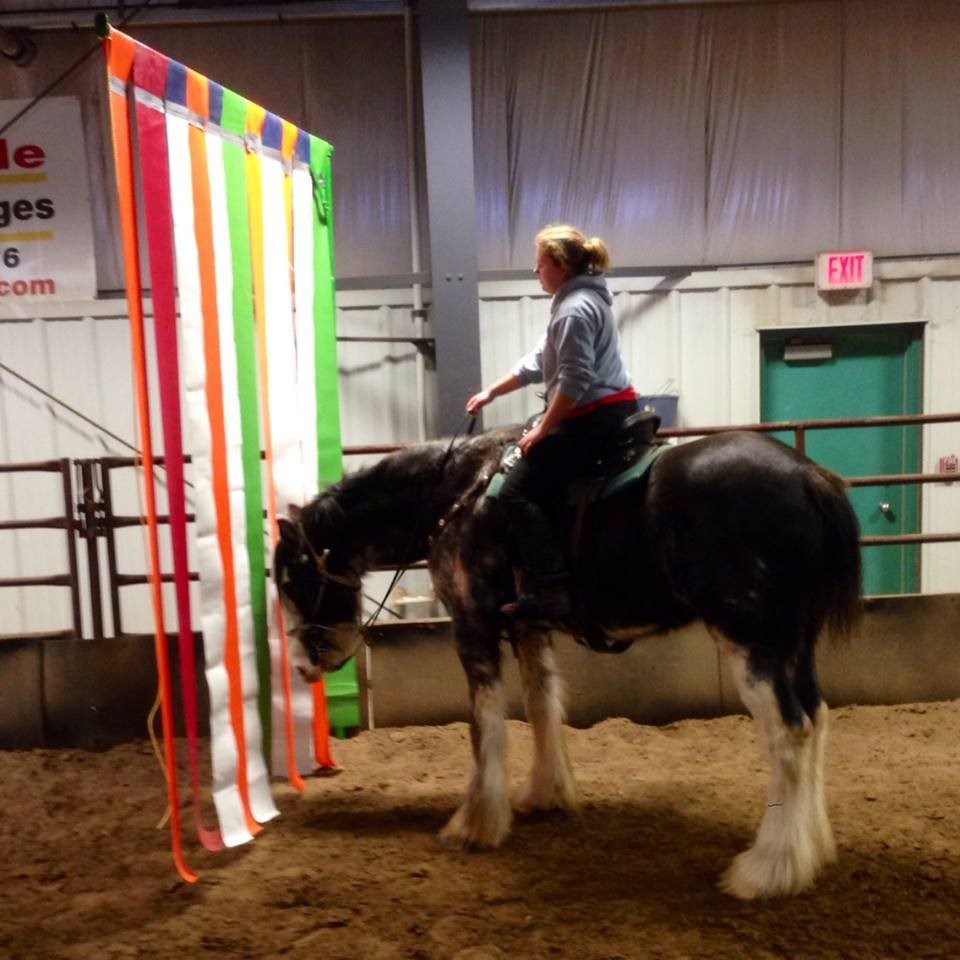
horse obstacle curtains
More curtain images below

horse obstacle curtains
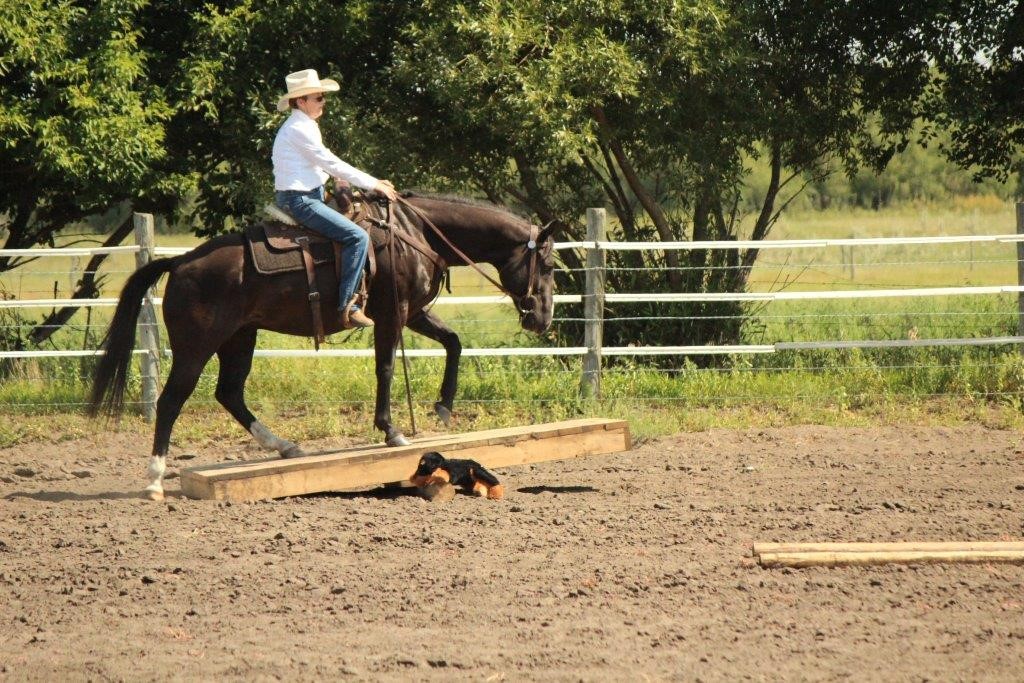
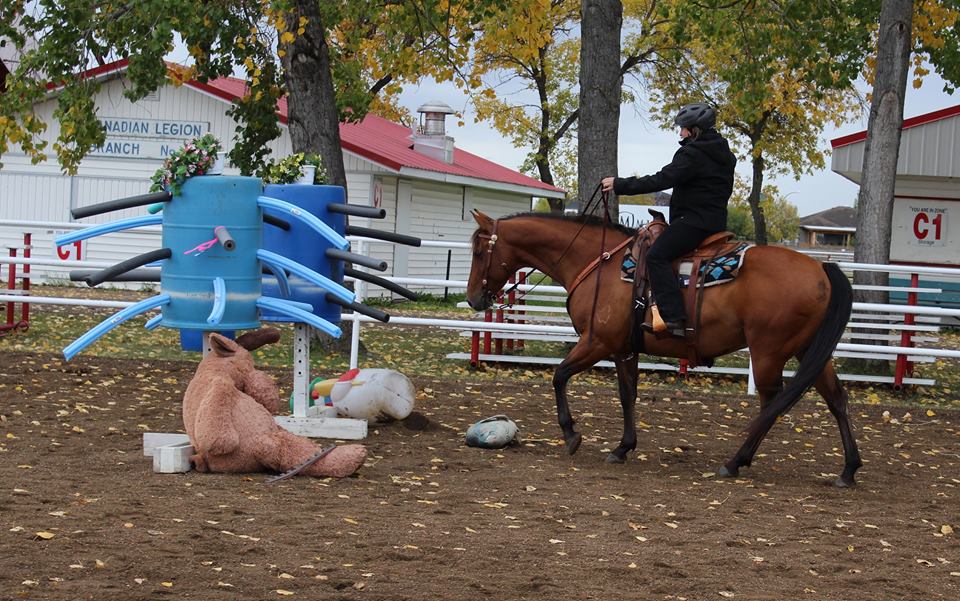
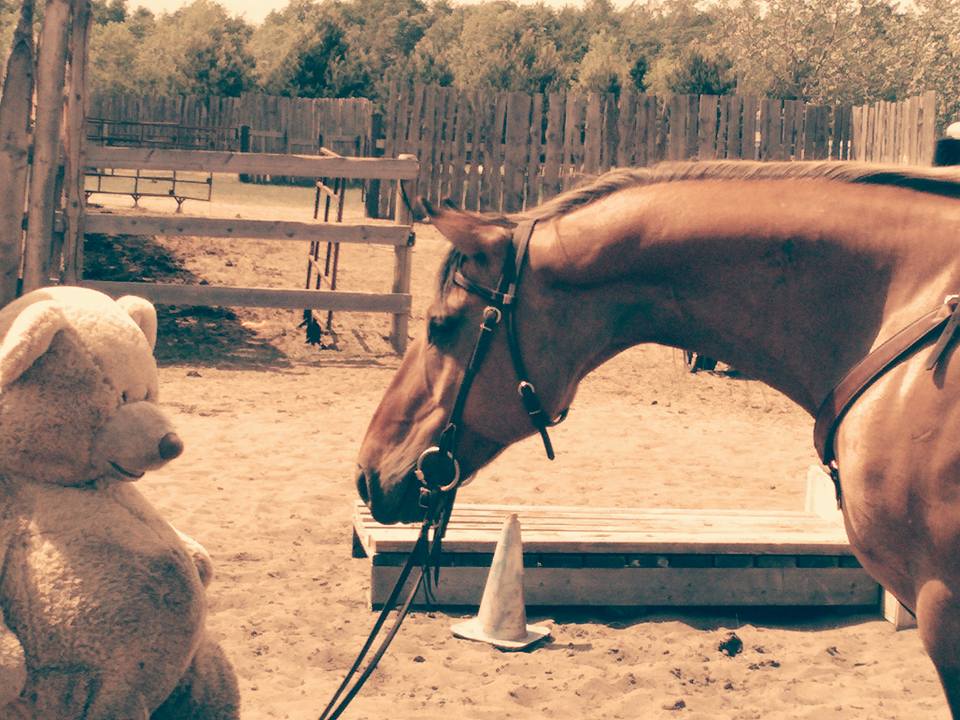
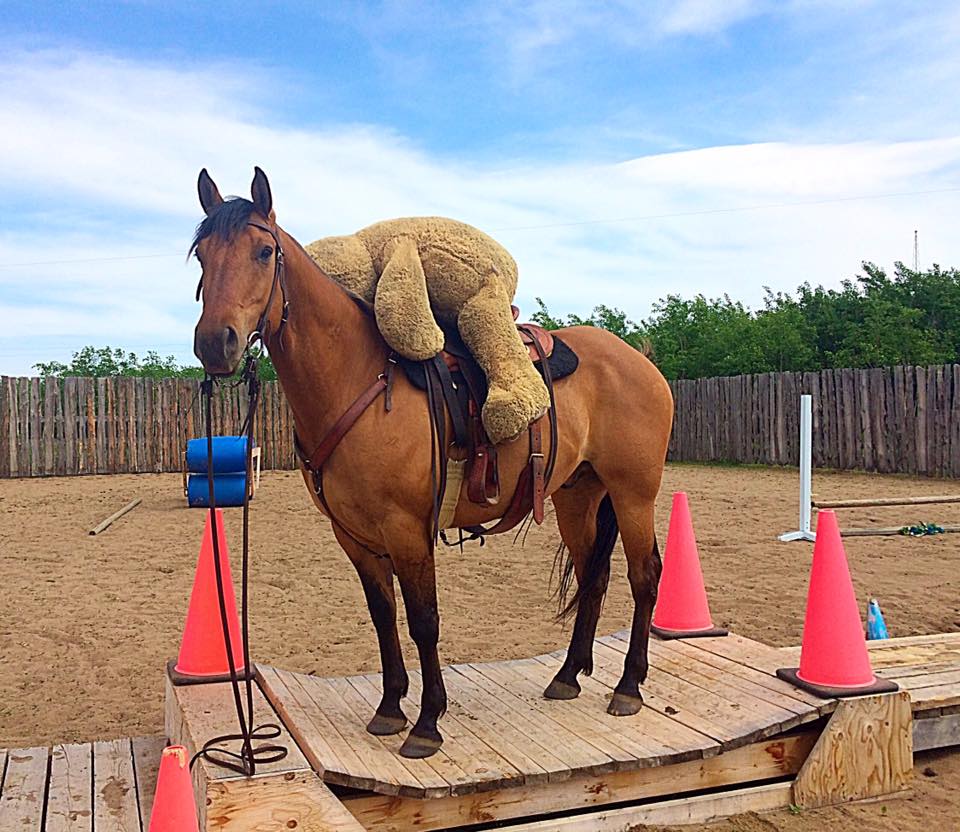
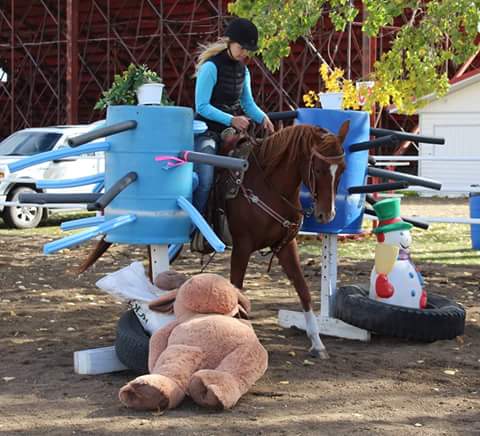
dummy bear horse challenge
bridge on trail

suspension bridge obstacle
suspension bridge horse stand challenge
keyhole bridge horse obstacle

keyhole bridge horse obstacle
bridge steps horse obstacle
bridge horse obstacle tarp
bridge horse obstacle

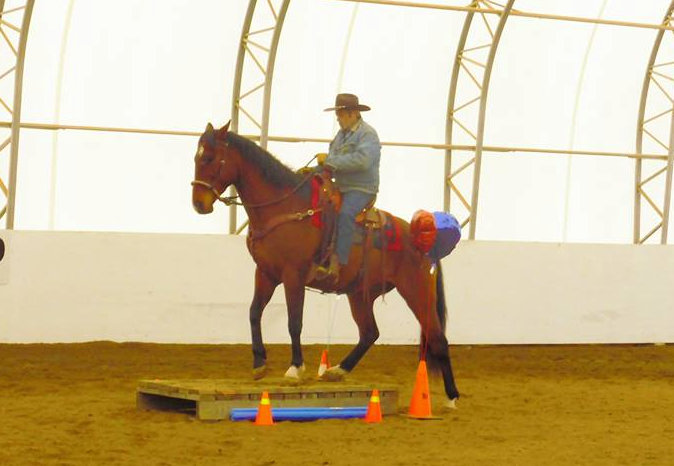
bridge obstacle balloons pylons
horse obstacle tires under bridge
horse obstacle jumping over log
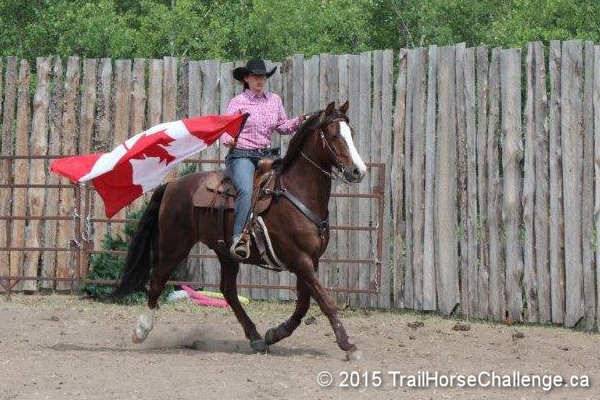
Horseback Rider Carrying Flag

  • HOME
  • OBSTACLES AND CHALLENGES
  • GROUPS AND CLUBS
  • EVENTS
  • PHOTOS
  • HOST A CHALLENGE
  • ABOUT
  • CONTACT
Copyright 2008 - 2018 Trail Horse Challenge | All Rights Reserved
Facebook
Page load link
The Three Phases of Skill Development ("3 Phases")

Related Article: Using Baby Steps to Teach Your Horse New Skills.

More Key Terms

The Old News Theory

“Old News” is any object, situation or task that the horse has had previous experience with, to the point where it does not cause an emotional of physical reaction. For example,

Related Article: Using Baby Steps to Teach Your Horse New Skills.

More Key Terms

The Ignore, Correct or Praise Theory

In reaction to our horse’s behaviour, we have three options: to ignore the behaviour, to correct the behaviour, or to praise the behaviour.

Ignoring behaviour reduces the likelihood that the horse will make unnecessary or undesired emotional attachments to that behaviour.

Correcting behaviour is necessary when the horse exibits behaviour that is undesirable.

Praise is necessary to reward desired behaviour, so that the horse will repeat it.

More About Ignore, Correct or Praise: The Ignore, Correct or Praise Theory

Related Article: Using Baby Steps to Teach Your Horse New Skills.

More Key Terms

Pressure and Release

Pressure is sometimes called “asking” (the horse to do something, or to accept something). You may ask a horse to back up, and you may ask a horse to accept you scratching their ears. You may also ask a horse to accept/learn to be comfortable with something that is new to them, such as a plastic bag tied onto the end of a stick.

Pressure engages the horse’s mind, emotions and body. In most cases the horse will react physically (which may be the goal). An example of an emotional reaction to pressure is fear, such as when a horse moves away from something new that they are being introduced to.

Release is a term used to describe the point at which you cease to put pressure on the horse. Timing of the release is important, because a premature release does not motivate the horse to learn (and neither does “too little” pressure). Releasing pressure too late results in unnecessary (and probably damaging) emotional stress on the horse.

More about Pressure and Release: Using the Pressure and Release Theory to Teach Your Horse

Related Article: Using Baby Steps to Teach Your Horse New Skills.

More Key Terms

Stepping Stones

Accomplishments (solid skills) that can be relied on when teaching a horse a new skill. For example, the ability to carry a tarp without fear can be used when a rider wants to carry a flag, because the horse is already comfortable with the flag’s movement and the sound that it makes.

Related Article: Using Baby Steps to Teach Your Horse New Skills.

More Key Terms

Baby Steps

Mini-goals used to build a horse’s confidence and encourage acceptance of stimuli (sights, smells, touch, sounds). Once reached, the mini-goals then become stepping stones, relied on in future teaching objectives.

Related Article: How to “Read Your Horse” by Observing Her Actions and Appearance

More Key Terms

Fear Index

The level of fear that the horse is experiencing, in response to a stimuli (sight, sound, touch, smell).

The fear index of horse that is relaxed when exposed to fire would be deemed “low” (“a low fear index”). The fear index of a horse that bolts (runs away) from fire would be deemed “high” (“a high fear index”).

Related Article: How to “Read Your Horse” by Observing Her Actions and Appearance.

More Key Terms

Acceptance Level

Level of acceptance by the horse, of an object or person.  If the horse fears an object or will not tolerate it, their acceptance level of the object is low.  If they completely tolerate and accept an object (such as a tarp on their back), their acceptance level is high, or “good.”

More Key Terms

Go to Top